
Renovating your kitchen, bathroom or basement usually starts with choosing finishes, fixtures and layouts. But before the new cabinets go in or the walls are closed up, it's worth thinking about what's happening behind them.
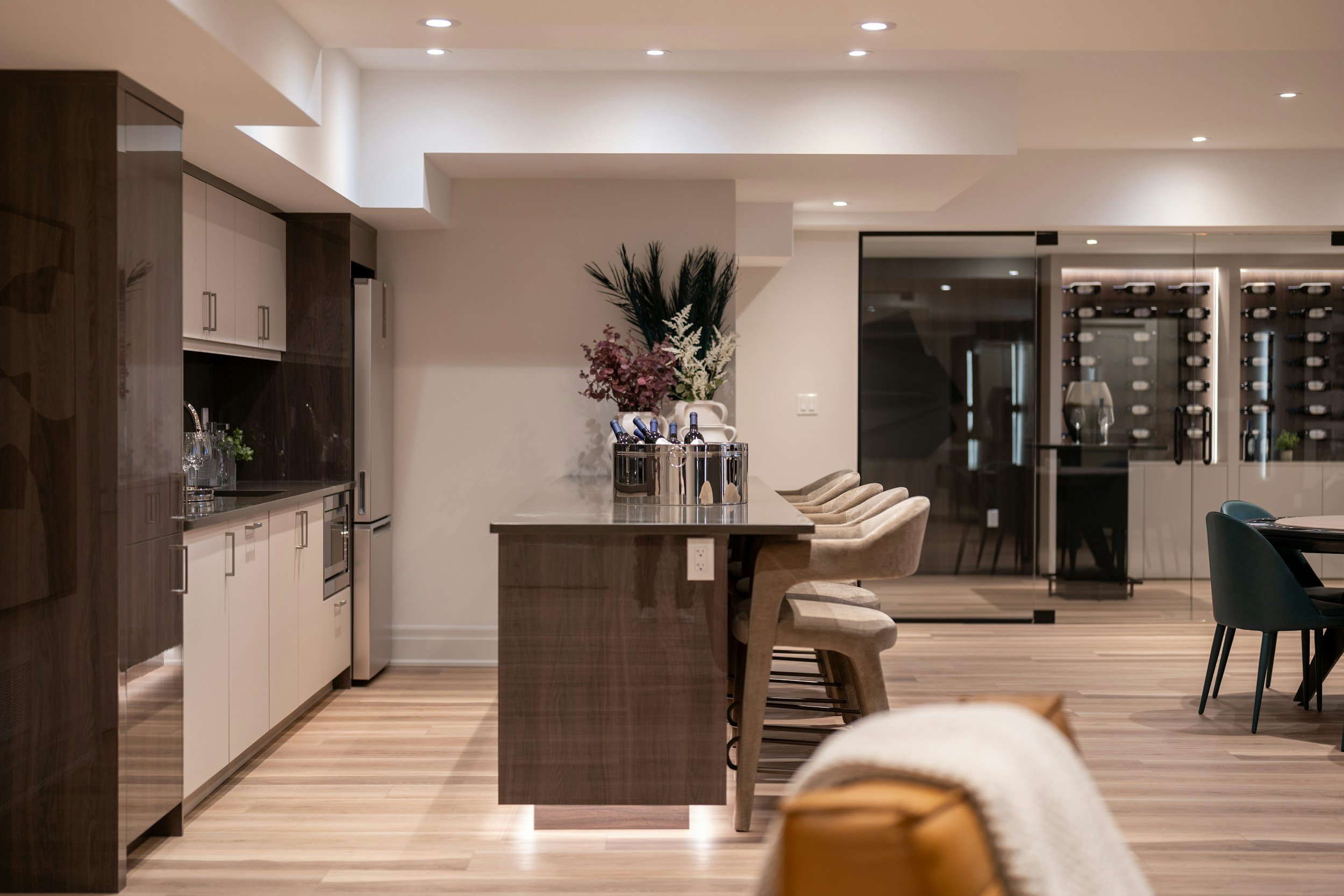
Plumbing is one of those parts of a renovation that's much easier to plan before construction gets underway. Whether you're moving a sink, adding a bathroom or changing the layout of an existing space, getting a plumber involved early can help avoid unexpected changes and extra work later.
Here's what homeowners should consider before starting a renovation.
1. Before You Change the Layout
One of the biggest things to consider when planning a renovation is whether your existing plumbing will work with your new layout.
For example, moving a kitchen sink to an island, relocating a shower or changing the position of a toilet can mean moving existing water lines and drainage connections.
These changes aren't always complicated, but they need to be planned properly. The location of existing pipes, drainage routes and available connections can all affect what's possible.
Before finalizing your renovation plans, have your plumbing requirements reviewed so you know what needs to be changed before construction begins.
Planning a layout change? Take a look at our renovation plumbing services to see how Betteridge can help with plumbing changes and fixture relocations.
2. Kitchen Renovations May Require More Than New Fixtures
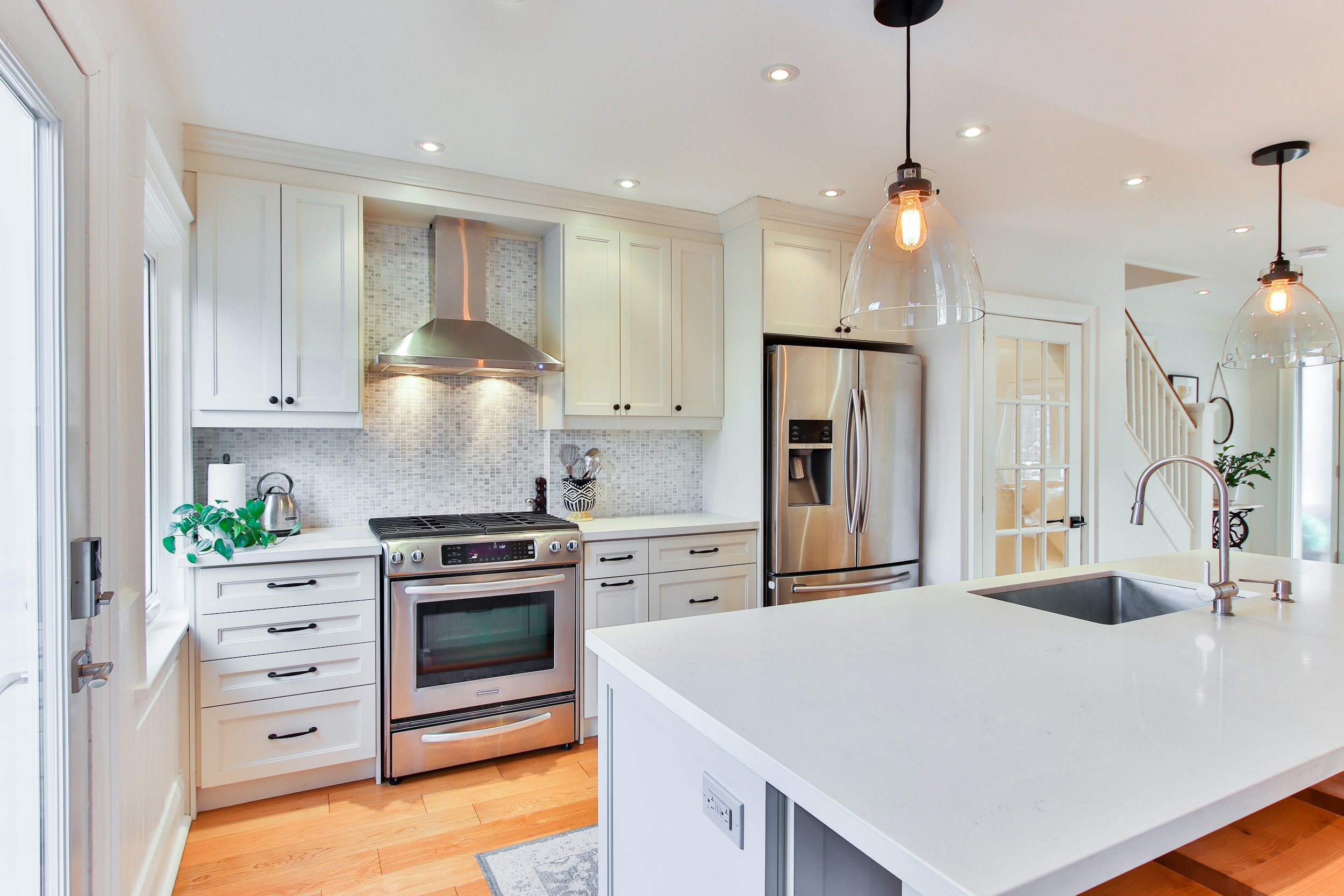
A kitchen renovation can involve more plumbing work than homeowners initially expect.
If you're changing your kitchen layout, consider whether you'll need to:
Relocate the kitchen sink or dishwasher.
Add or move water supply and drainage connections.
Install a new refrigerator water line.
Add plumbing for a kitchen island.
Make changes for a new gas range or cooktop.
Even if you're keeping the same general layout, it's worth checking that the existing connections will work with your new fixtures and appliances.
Planning these details early helps keep the plumbing coordinated with cabinetry, countertops and other renovation work.
Adding a gas range or cooktop? The gas line and connections should be considered as part of your renovation plan. Learn more about our gas appliance installation services.
3. Bathroom Renovations Can Involve Moving Water Lines and Drainage
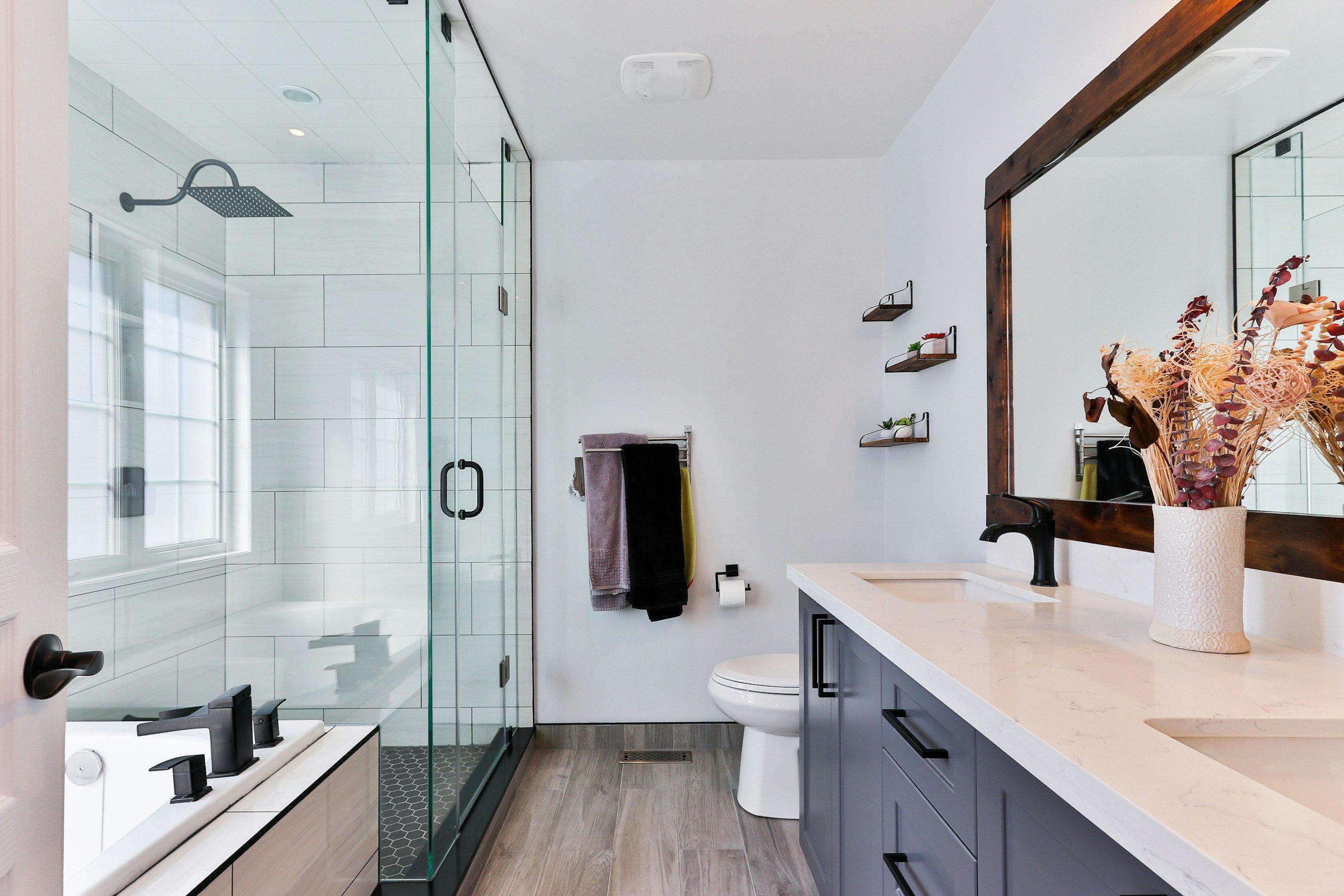
Replacing a vanity or toilet in the same location may be relatively straightforward. A full bathroom redesign can be a different story.
If you're changing the position of a shower, bathtub, toilet or sink, the plumbing may need to be relocated to suit the new layout.
It's also important to consider the plumbing requirements of new fixtures before purchasing them. Different showers, tubs and bathroom fixtures can have different connection requirements.
Having these details sorted out before installation helps ensure everything fits and functions as intended.
4. Adding a Bathroom or Finishing a Basement?
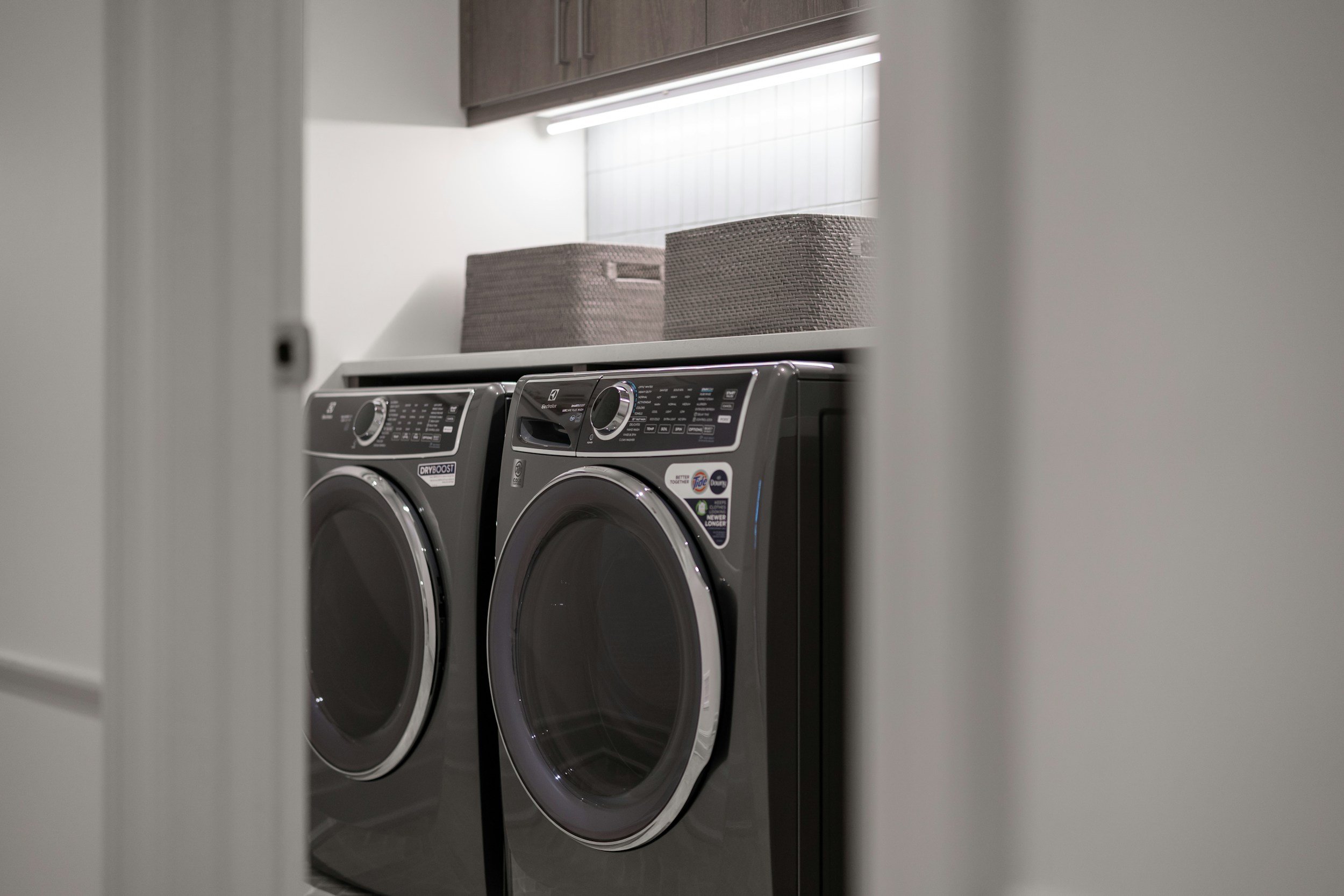
If you're planning to add a bathroom, laundry room or wet bar, you'll need to consider how the new space will connect to your home's existing plumbing.
Some important things to assess include:
Where new water supply lines will run.
How drainage will connect to the existing system.
Whether the existing plumbing can accommodate the additional fixtures.
Whether drainage or other plumbing requirements need to be addressed.
Basement plumbing can be particularly important to plan early, especially when adding a bathroom below the level of existing drainage connections.
It's much easier to understand what's possible before framing and finishing work begins.
5. Take the Opportunity to Check Older Plumbing
A renovation can be a good time to look at plumbing that may otherwise remain hidden behind walls and under floors.
If you're renovating an older home, it's worth finding out what type of plumbing is currently installed and whether anything needs attention.
For example, some older homes have Poly-B plumbing. If your home has it, a renovation may be a practical opportunity to discuss replacement before new walls, flooring and cabinetry are installed.
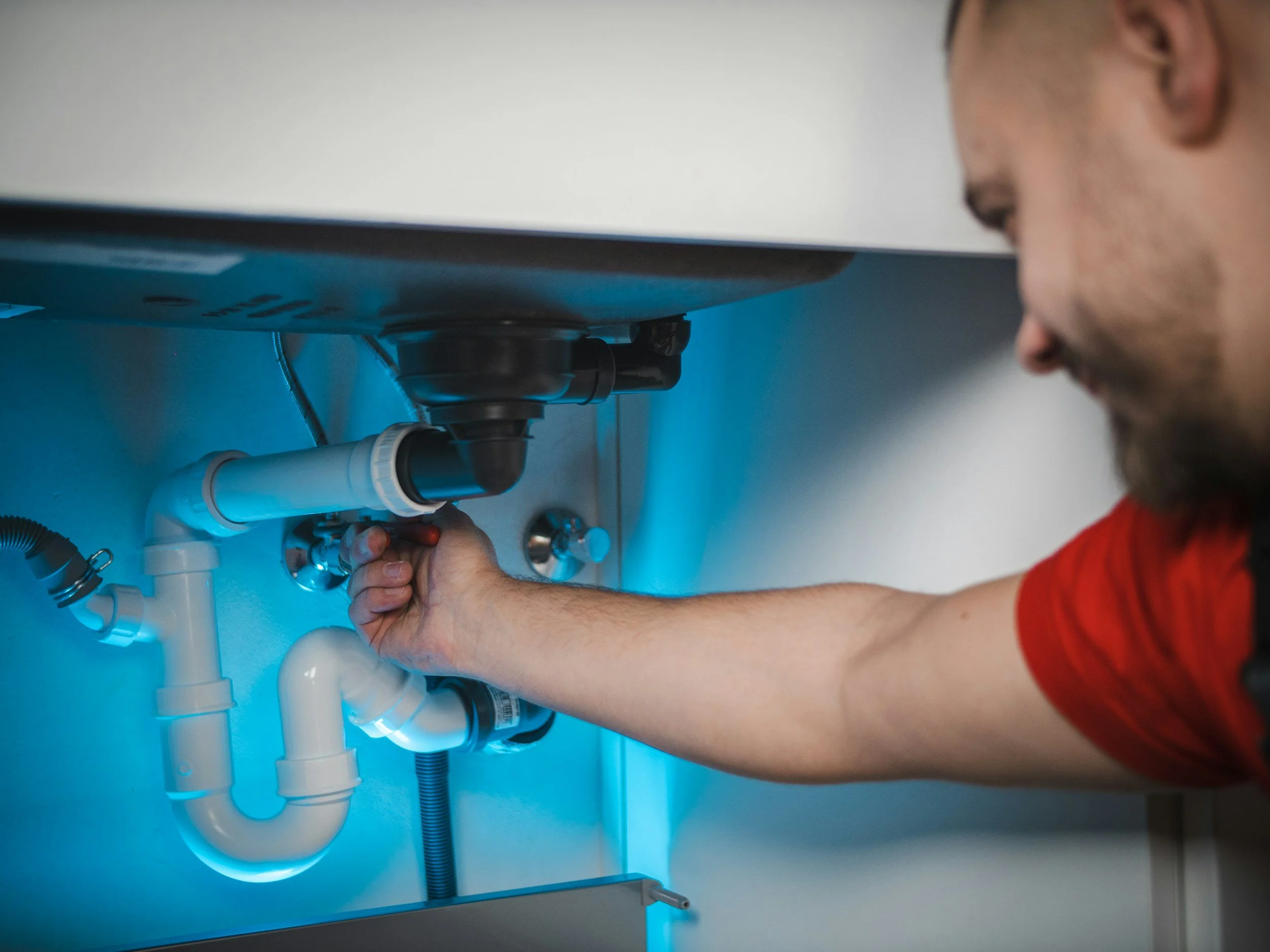
6. So, When Should You Call a Plumber?
Ideally, involve a plumber while you're still planning the renovation, before the layout is finalized and construction begins.
This gives you an opportunity to discuss fixture locations, existing plumbing, new connections and any changes that may be required.
A few things worth having ready before your renovation consultation include:
Your proposed renovation layout or drawings.
The fixtures and appliances you're planning to install.
Any changes to the location of sinks, showers, tubs or toilets.
Whether you're adding a bathroom, laundry area or other water-using space.
Any known concerns with your existing plumbing.
The more information available at the beginning, the easier it is to plan the plumbing around the rest of the project.
Planning a Renovation in the Okanagan?
Whether you're updating a bathroom, redesigning a kitchen or finishing a basement, plumbing deserves a place in the renovation plan from the beginning.
Betteridge Plumbing & Heating works with homeowners throughout Vernon, Lake Country and the surrounding Okanagan, helping with plumbing changes, fixture relocations, new connections and renovation projects.
If you're planning a renovation and aren't sure what your existing plumbing will require, we're happy to help you figure out where to start.
Have a renovation coming up? Visit our renovation plumbing service page or contact Betteridge Plumbing & Heating to discuss your project and request a quote.